
Ink, Skin, and Spirit: Inside the World of Ethiopian and Eritrean Healing Scrolls
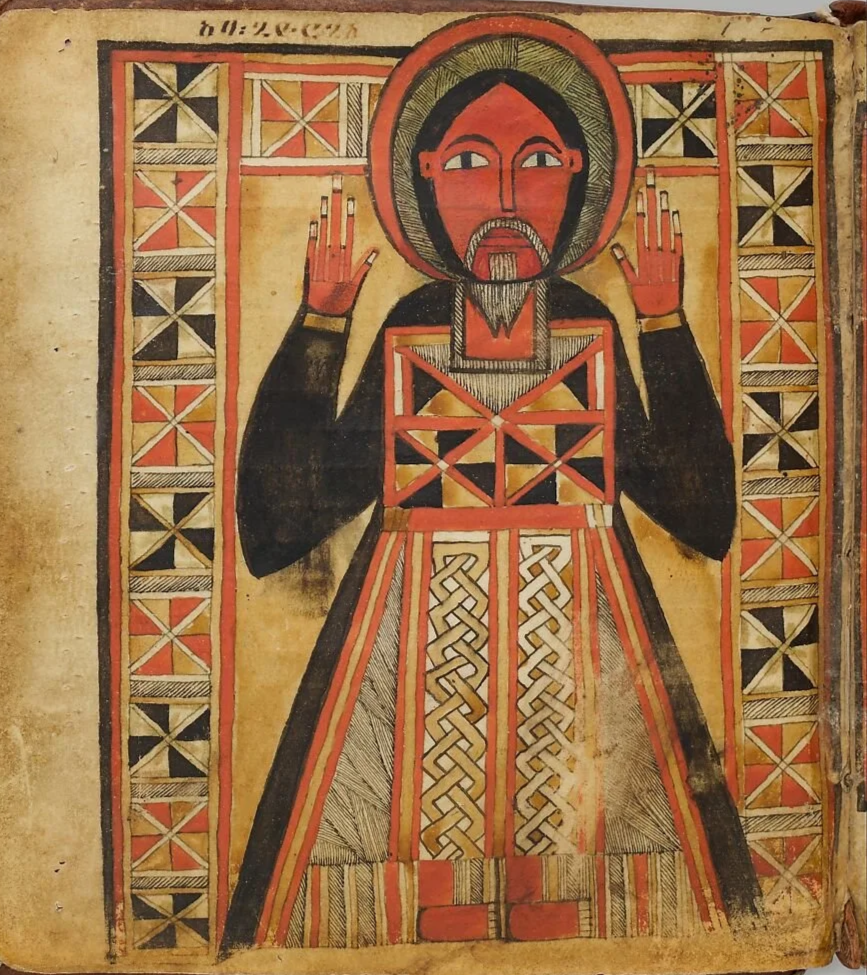
There is a quiet power in the moment a healing scroll is unfurled. A narrow strip of parchment drops open, revealing lines of Geʽez prayers, protective diagrams, and watchful eyes that seem to follow you down the page. For centuries across Ethiopian and Eritrean Orthodox communities, these scrolls were created as part of a healing ritual meant to drive away illness, fear, misfortune, and unseen forces believed to disturb a person’s well-being.
These are not decorative objects. They were worn, carried, and slept beside. Each one was made for a specific person, at a specific moment, as a shield for both body and spirit.
What Is a Healing Scroll?
A healing scroll (often called a talismanic scroll) is a handwritten parchment created by a däbtära, a highly trained cleric-scribe in the Ethiopian and Eritrean Orthodox tradition. Each scroll is tailored to one individual, incorporating their name, circumstances, and spiritual needs.
The text is written in Geʽez, the ancient liturgical language of the church. Prayers are arranged vertically, forming a protective column. Many scrolls also include geometric diagrams, angelic figures, and symbolic “eyes” designed to confront and repel harmful forces.
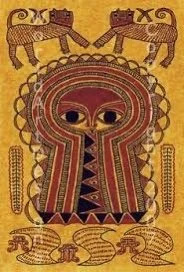
A talismanic scroll
Each scroll is tailored to one individual, incorporating their name, circumstances, and spiritual needs.
How a Scroll Is Made
The process begins with a goat or sheep whose skin becomes the parchment. After preparation, the hide is cut into long strips and stitched together until the scroll matches the height of its intended owner — a literal, symbolic “head-to-toe” field of protection.
Black ink forms the main text; red ink highlights divine names, blessings, and sometimes the client’s name. This makes every scroll deeply personal, a spiritual document written for one life and one story.
The Imagery: Eyes, Angels, and Nets
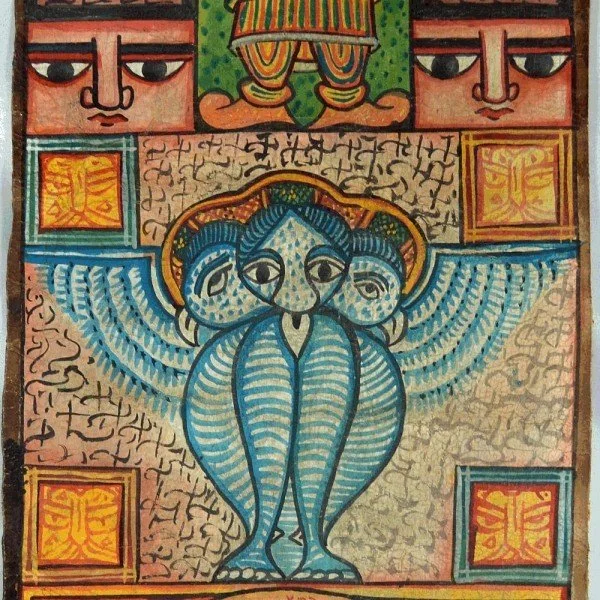
The prayers provide verbal protection, but the imagery carries its own force:
Archangels in frontal, sword-bearing poses act as guardians
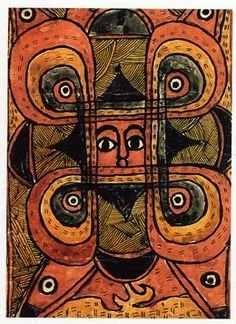
Grid patterns or “nets” symbolically trap harmful spirits
Large, stylized eyes serve as vigilant watchers against the evil eye
These symbols function as spiritual technology, not ornamentation.

Archangel Guardians
Michael and Gabriel
Who Used Them and Why
Scrolls were commissioned by people facing physical or spiritual distress: chronic illness, nightmares, infertility, childbirth complications, or recurring misfortune. Many surviving scrolls address women’s health specifically, indicating a long history of spiritual care accompanying practical and herbal medicine.
A scroll could be worn in a leather or metal case, hung above a bed, or kept beside the body, a portable sanctuary meant to surround the person with continuous protection.
Tradition Rooted in Care
Today, many healing scrolls live in museum collections and archives. When we encounter them now, we’re seeing objects that once held someone’s fears, hopes, and prayers. They were never created as art pieces, yet their beauty is inseparable from their purpose.
What draws us to them now is not only their aesthetics, but the reminder that protection has always been both practical and spiritual. These scrolls blur the line between healing and devotion, between object and guardian.
They are, in every sense, guardians written in ink and skin, still watching, still speaking, still carrying the memory of care.